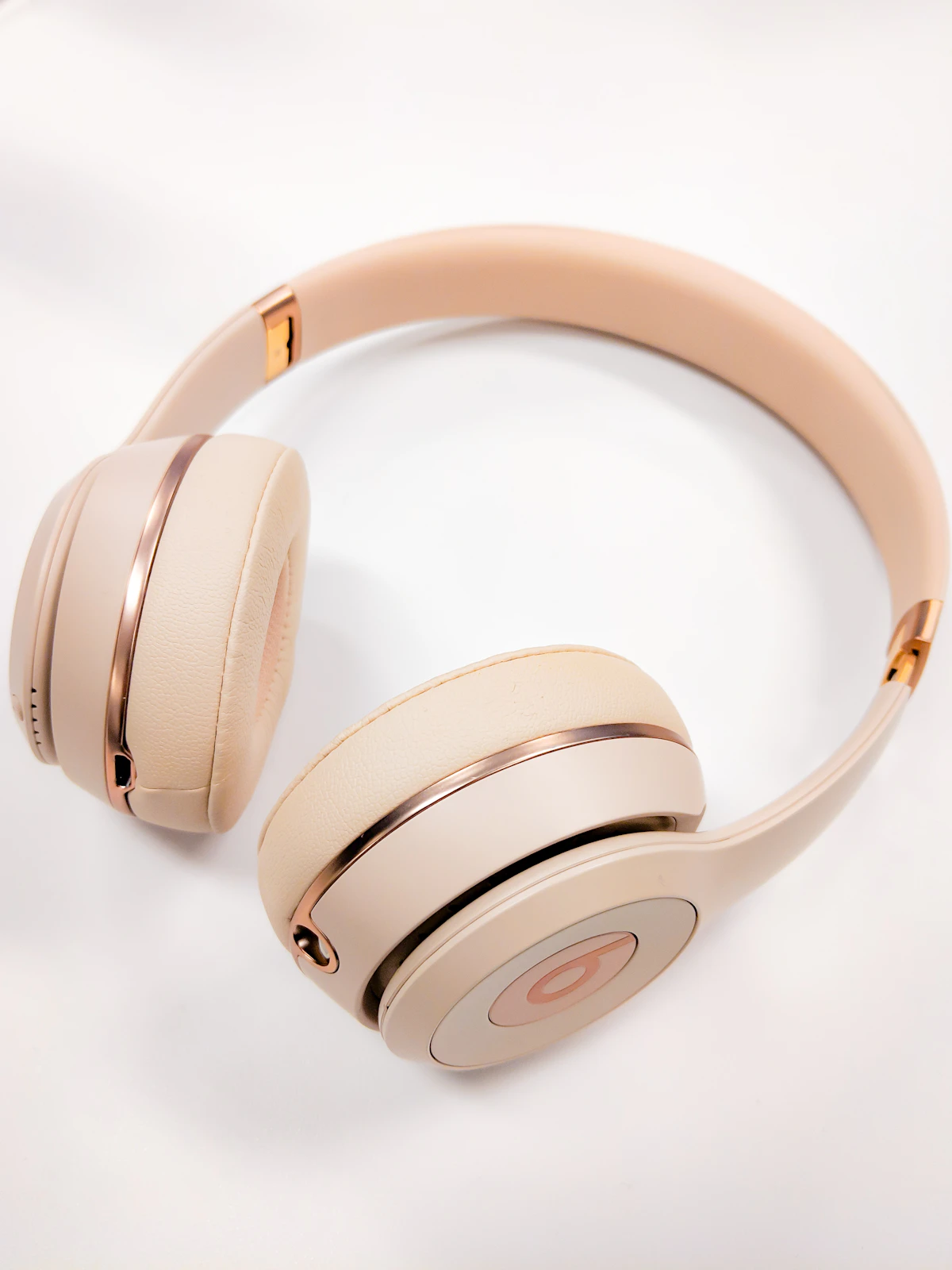
Best Studio Headphones for Mixing, Producing, and Everyday Listening in 2026
Published: March 17, 2026 | OnlyCodes Editorial
The short answer
The Audio-Technica ATH-M50x (around S$230) is the studio headphone we recommend to most people. It has a flat-enough frequency response for mixing, folds for portability, and sounds good enough for everyday listening. If your budget is tight, the ATH-M30x (S$100 at Swee Lee, down from S$119) covers the basics.
Why studio headphones?
Consumer headphones from Bose, Sony, and Apple are tuned to sound pleasant. Bass is boosted, treble is smoothed, and spatial effects are added. This is fine for listening on the train, but it is a problem when you are mixing music, editing a podcast, or mastering a video. Decisions you make on boosted headphones will sound wrong on every other system.
Studio headphones aim for a flat frequency response: what goes in is what comes out, with minimal colouration. This lets you hear problems (muddy bass, harsh sibilance, uneven levels) that consumer headphones hide.
Closed-back vs open-back
Closed-back headphones seal around your ears and block outside noise. Sound does not leak out. These are essential for recording (microphones will pick up leaking audio from open-back headphones) and useful in noisy environments.
Open-back headphones have perforated ear cups that let air and sound pass through. The soundstage is wider and more natural, which makes them better for extended mixing sessions. But everyone around you can hear what you are listening to, and they offer no noise isolation.
For most home producers in Singapore: start with closed-back. Your apartment has air conditioning, traffic noise, and family in the next room. Open-back headphones are a luxury for treated rooms.
The picks
Audio-Technica ATH-M30x → (S$100 at Swee Lee, down from S$119)
The entry point. Closed-back, circumaural (over-ear), with a tuning that is reasonably flat with a slight mid-range emphasis. The build is mostly plastic but feels durable. The cable is fixed and straight (no coiled option), which is fine for desk use but less convenient for studio work where cable length matters.
At S$100, there is nothing in this price range that sounds as accurate. If you are building a home studio on a budget, this is where your headphone money should go. The home recording studio article on this site pairs these with a PreSonus interface for a complete setup under S$1,000.
Best for: Budget home studios, podcast editing, beginners.
Audio-Technica ATH-M50x (S$220 to S$250)
The default recommendation for a reason. The M50x has been the best-selling studio headphone globally for over a decade. Flat frequency response with a very slight bass and treble lift that makes long sessions less fatiguing. Detachable cable (straight and coiled cables included). The ear cups swivel 90 degrees for single-ear monitoring.
Build quality is a clear step up from the M30x: metal hinges, thicker padding, more even clamping force. They fold flat for travel. The soundstage is narrow (a limitation of all closed-back designs), but instrument separation is clear enough for mixing decisions.
These are the headphones you will find in almost every project studio in Singapore, Kuala Lumpur, Bangkok, and Jakarta.
Best for: Home studios, mixing, mastering, content creation, everyday listening.
Beyerdynamic DT 770 Pro (S$250 to S$300)
The main competitor to the M50x in the closed-back category. The DT 770 has a wider soundstage, softer velour pads, and a slightly brighter treble. Available in 32-ohm (for phones and laptops), 80-ohm (for audio interfaces, the most popular version), and 250-ohm (for dedicated headphone amps) versions.
The fit is more comfortable than the M50x for extended wear, especially if you have a larger head. The cable is fixed, which is the main drawback compared to the M50x. Choose the 80-ohm version unless you have a specific reason not to.
Best for: Long mixing sessions, tracking (recording), users who find the M50x too tight.
Sennheiser HD 600 (S$450 to S$550)
The benchmark open-back studio headphone. The HD 600 has a famously neutral frequency response that has been trusted by mixing and mastering engineers for over 25 years. The soundstage is wide and detailed. You can hear exactly where every instrument sits in a mix.
The trade-offs: they leak sound (unusable in a shared room), they need a headphone amp or a good audio interface to drive properly (300 ohms), and they are fragile compared to the Audio-Technica and Beyerdynamic options. The plastic headband cracks if mistreated.
These are for serious mixing in a quiet, dedicated space. If that describes your setup, the HD 600 will reveal details that closed-back headphones cannot.
Best for: Dedicated home studios, mixing, mastering, critical listening.
Sony MDR-7506 (S$140 to S$170)
The broadcast and film industry standard. You will see these in every TV studio, radio station, and film set in the world. The frequency response has a pronounced upper-mid bump around 4kHz that makes dialogue and vocals very clear. This makes them excellent for podcast editing and video work, but slightly harsh for music mixing at high volumes.
The coiled cable, foldable design, and replacement ear pads (widely available and cheap) mean these headphones last for years of daily use. A pair purchased in 2010 will still work fine today if you replace the pads.
Best for: Podcasting, video editing, broadcast, dialogue-heavy work.
Grado SR80x (S$160 to S$200)
An unconventional pick. Grado headphones are open-back, on-ear (not over-ear), and tuned for musicality rather than clinical flatness. They have a forward, energetic sound that makes rock, jazz, and acoustic music come alive. They are not the most accurate headphones for mixing, but they are the most enjoyable to listen to in this price range.
The build is deliberately retro: a metal headband, foam pads, and a thick cable. Grado pads (including replacement cushions available at Swee Lee →) are interchangeable and change the sound profile.
Best for: Recreational listening, reference checking after mixing on a flatter pair, anyone who values musical enjoyment.
How to choose
If you are setting up your first home studio, buy the ATH-M50x. It is the safe choice that works for everything.
If you are on a tight budget, the ATH-M30x at S$100 from Swee Lee is exceptional value.
If comfort matters most, the Beyerdynamic DT 770 Pro (80-ohm) is the most comfortable closed-back headphone in this price range.
If you have a quiet, dedicated studio space and want the best mixing accuracy, the Sennheiser HD 600 is the reference standard.
If you edit podcasts or video, the Sony MDR-7506 is built for dialogue clarity.
Where to buy
Swee Lee carries Audio-Technica (ATH-M30x, ATH-M50x) and Grado products across their stores in Singapore. Beyerdynamic and Sennheiser are available through authorized dealers and online retailers including Lazada and Shopee. Sony MDR-7506 is stocked by most electronics and pro audio stores.
FAQ
Can I use studio headphones for everyday listening? Yes. The ATH-M50x and DT 770 Pro both sound great with Spotify, Apple Music, and YouTube. They lack the bass boost and noise cancellation of consumer headphones, but the clarity and detail are superior.
Do I need a headphone amplifier? For the ATH-M30x, ATH-M50x, and Sony MDR-7506: no. They run fine from a phone, laptop, or audio interface. For the DT 770 Pro (80-ohm): an audio interface is recommended. For the Sennheiser HD 600 (300-ohm): a headphone amp or high-quality interface is necessary.
How often should I replace the ear pads? Every 12 to 24 months with daily use. Worn pads change the sound by altering the seal around your ears. Replacement pads are available for all models listed here and cost S$20 to S$50.
Are wireless studio headphones any good? Bluetooth adds latency (delay between what you see and what you hear), which makes them unsuitable for recording and video editing. For mixing and casual listening, the Audio-Technica ATH-M50xBT2 (wireless version of the M50x) is acceptable but not ideal. Stick with wired for studio work.
Should I mix on headphones or monitors? Both. Headphones reveal detail; monitors reveal how music sounds in a room. Professional engineers check their mixes on both. If you can only afford one, start with headphones and add monitors later.
Related Reading
- Temu vs Shopee vs Lazada: Which Is Actually Cheapest? - buying gear online? We compared pricing across the big three platforms.
You Might Also Like
- The 10 Best Mobile Games Right Now
- Best Gig Bags and Cases for Traveling Musicians 2026: 5 Tested for Flight Travel and Daily Wear
- How to Travel With Your Guitar in 2026: Cases, Airlines, and What Actually Survives Long-Haul Flights
OnlyCodes Deals
- Lazada - 20% Off Sitewide | Code: MENTHOBD20 | Get Deal
- Shopee - Flash Deals, Up to 80% Off | Get Deal
- Audio-Technica - Deals at Swee Lee | Get Deal
- Swee Lee - Hot Deals on Instruments | Get Deal
---
OnlyCodes may earn a commission when you purchase through our links. This does not influence our recommendations.
Got the headphones - now what about the music? See our Hi-Fi streaming comparison to find out which service sounds best with studio monitors.